Description
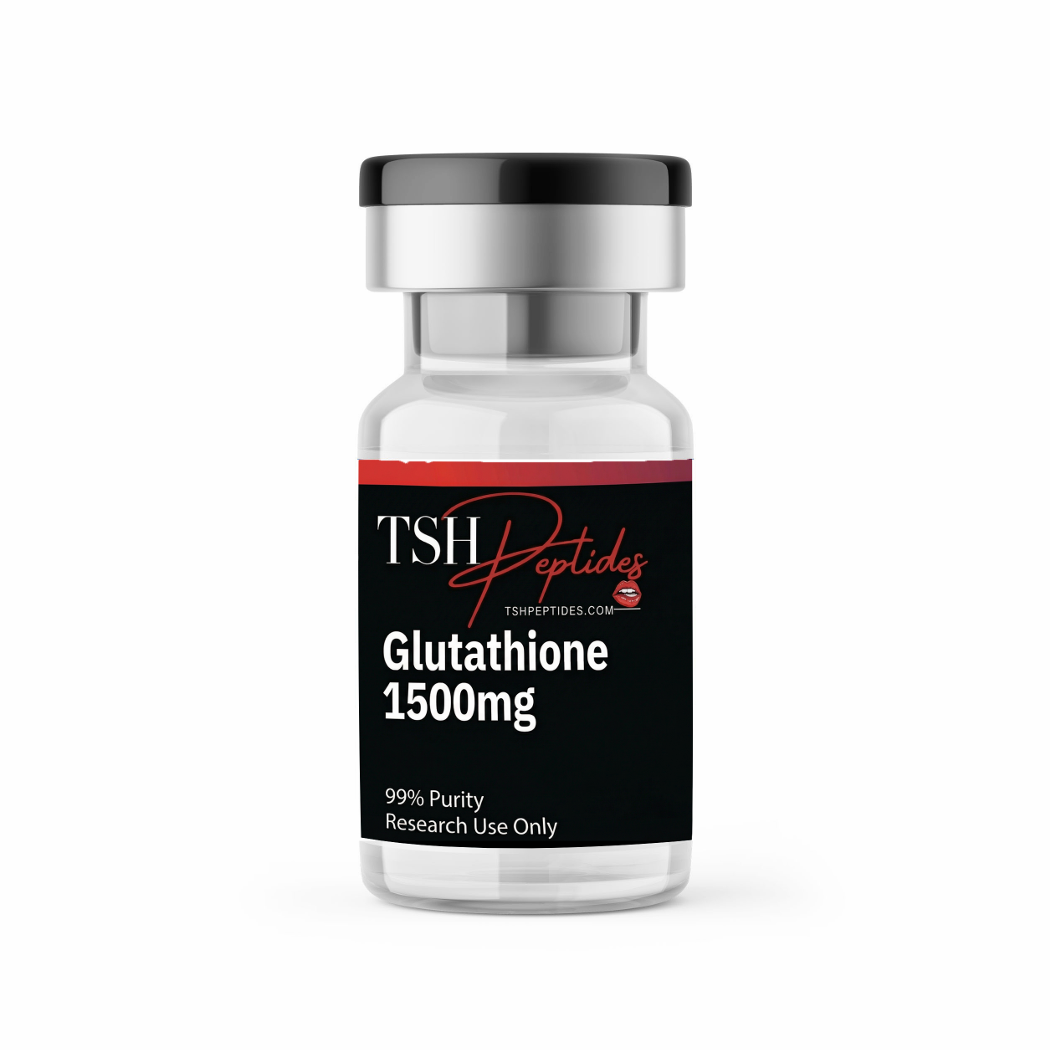
Glutathione
Strong antioxidant systems are essential for cells to defend against oxidative damage, which is a major cause of aging and illness, as scientists have long known. Glutamate, cysteine, and glycine are the three amino acids that make up glutathione, a naturally occurring tripeptide with a special structure that enables it to easily give electrons. Because of its structure, glutathione can detoxify dangerous substances, neutralize reactive oxygen species, and preserve cellular redox balance. It is present in almost every tissue, although it is most abundant in the liver, where it aids in detoxifying processes. Glutathione is a fundamental cellular defense molecule that is necessary for preserving cellular stability and metabolic health rather than functioning as a hormone (Meister & Anderson, 1983; Lu, 2013).
References
Meister, A., & Anderson, M. E. (1983). Glutathione. Annual Review of Biochemistry.
Lu, S. C. (2013). Glutathione synthesis. Biochimica et Biophysica Acta.