Description
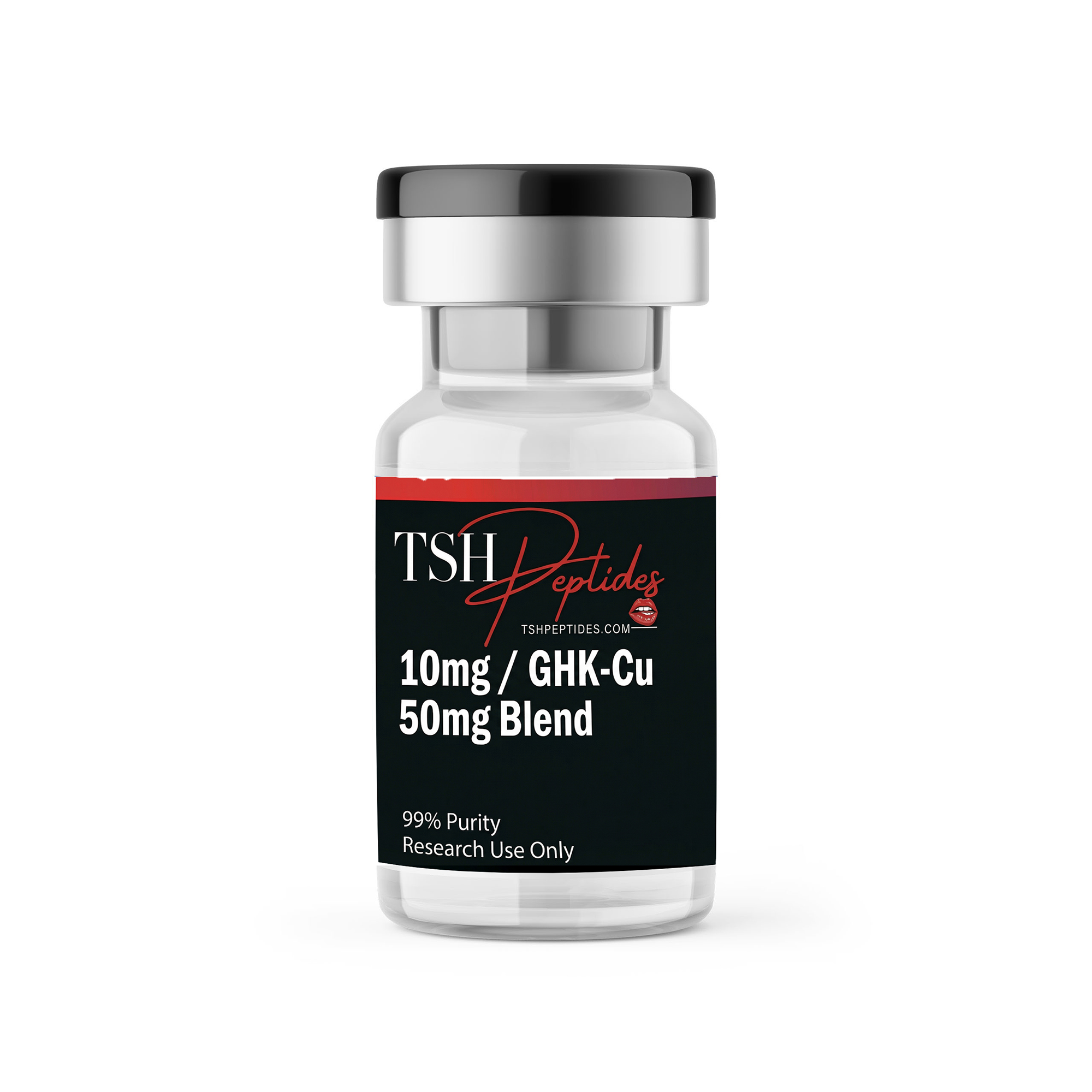
Glow Peptide – BPC-157 10 mg / TB-500 10 mg / GHK-Cu 50 mg Blend
Researchers studying skin regeneration and tissue repair have long recognized that coordinated signaling between peptides, growth factors, and trace elements is necessary for both visible tissue quality and healing. Angiogenesis, nitric oxide signaling, and cellular migration essential in tissue repair are all influenced by BPC-157, a stable synthetic fragment generated from a stomach protective peptide. Actin dynamics and cell migration are regulated by TB-500, a synthetic analog of thymosin beta-4 fragments that promotes tissue remodeling and healing. In the skin and connective tissue, GHK-Cu, a naturally occurring copper-binding tripeptide, is involved in collagen formation, extracellular matrix remodeling, and antioxidant defense. This blend, which is structurally different but biologically complementary, is investigated for its combined effects on skin regeneration, wound repair signaling, and tissue integrity. It illustrates how various peptide-mediated pathways come together to promote cellular renewal and structural maintenance (Pickart et al., 2015; Goldstein & Kleinman, 2015; Sikiric et al., 2018).
References
Pickart, L., et al. (2015). The human tri-peptide GHK and tissue remodeling. Journal of Biomaterials Science.
Goldstein, A. L., & Kleinman, H. K. (2015). Thymosin beta-4 and tissue repair. Annals of the New York Academy of Sciences.
Sikiric, P., et al. (2018). Stable gastric pentadecapeptide BPC-157 in tissue healing. Current Pharmaceutical Design.